Black Mold Removal in Hudson, WI
Mold removed from walls, ceilings and wood in your Hudson property. Call 24/7 to arrange your assessment and contained cleanup.
- Moisture source checked first
- Containment and HEPA filtration
- Removal through final checks
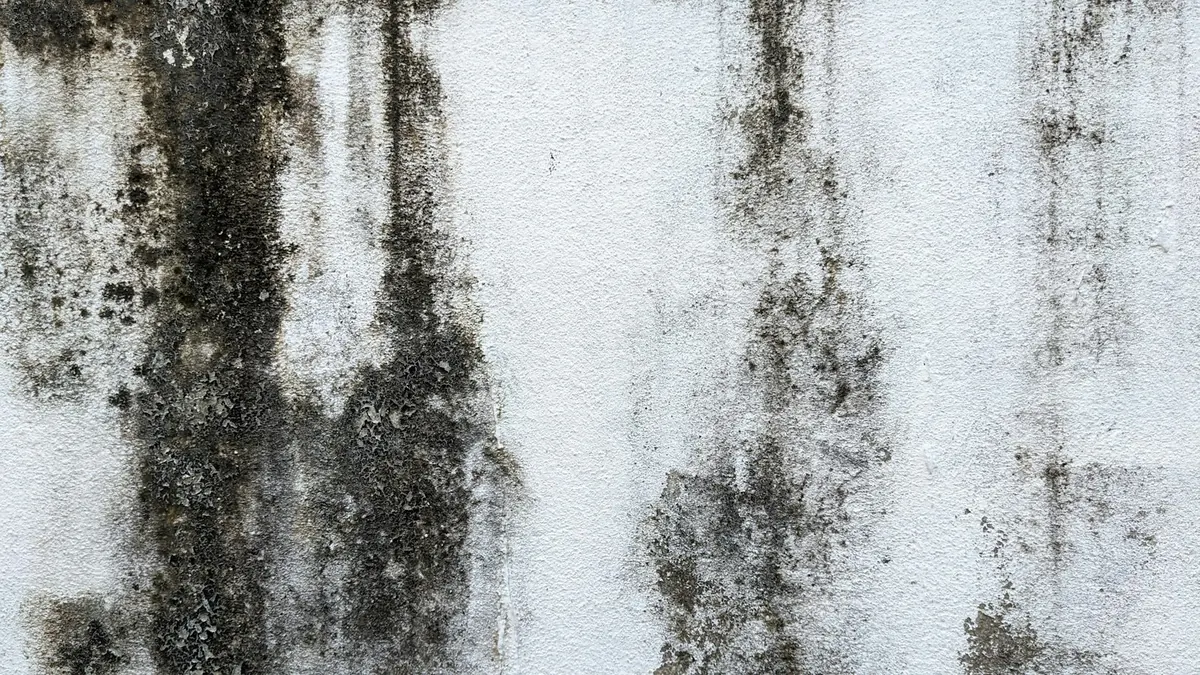
Understanding Black Mold Removal Services in Hudson
Mold cleanup covers your cabinets and framing as well as ceilings and walls. Sound surfaces stay for cleaning and drying. Removal takes out damaged drywall plus any other unsalvageable porous material.
Checks for moisture locate damp areas behind cabinetry and within affected cavities. Removal limits are recorded in your scope of work, alongside surface cleaning and separately defined moisture repairs. The rooms and debris path receive protection through containment.
CDC says color alone does not tell you how risky mold is. Stachybotrys chartarum is one mold type associated with black mold. Black mold identification requires lab identification; a photograph cannot establish the species.
- Wall and ceiling growth assessed
- Damaged drywall removal
- Sound framing cleaned along with non-porous surfaces
- Contained removal of debris plus HEPA filtration
- Moisture control and final cleaning
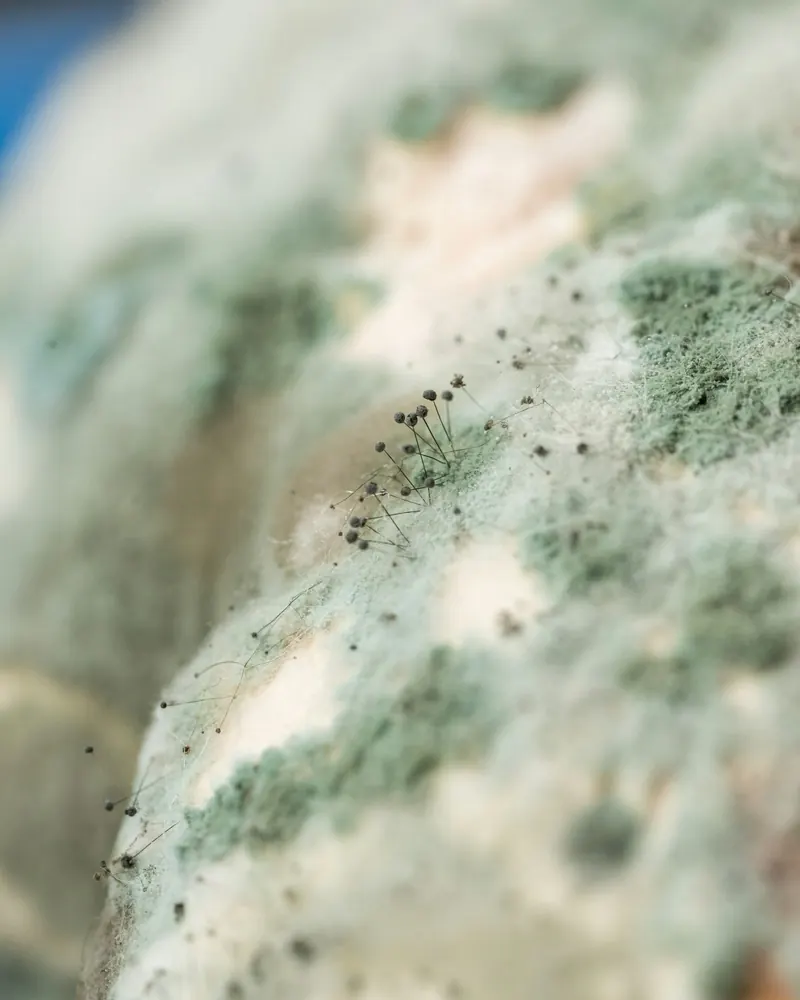
Recognizing the Need for Black Mold Removal
Arrange your assessment if dark patches return, surfaces show damage or dampness persists.
Dark Growth Behind Cabinets
Growth can appear on the backs of cabinets following hidden leaks or lasting condensation.
Black Mold on Ceiling Surfaces
Roof or plumbing leaks may occur alongside dark spots surrounding ceiling stains.
A Damp Wall With Musty Odor Nearby
An odor that persists alongside paint bubbles or moist finishes may signal concealed damage.
Black Mold on Drywall
Dark growth near baseboards or water-damaged drywall can extend beyond the visible patch.
Growth Returning After Cleaning
When dampness goes uncorrected, patches show up again on your walls or trim.
Black Mold Remediation in Hudson: How the Process Works
From removal to final verification, your process tracks damaged materials and the cause of dampness.
Black Mold Inspection
Damage in your rooms is mapped through inspection using a moisture meter. You can guide moisture checks with a thermal imaging camera, but mold cannot be identified.
Moisture Source and Scope
Leaks and condensation are evaluated alongside affected cavities. Before opening surfaces, your remediation protocol sets out cleaning, removal and moisture repairs as separate work.
Contained Work Area
The containment barrier consists of poly sheeting. To reduce spreading mold spores and dust, negative air pressure works alongside a HEPA air scrubber.
Removal of Affected Drywall
For demolition of damaged materials, the cleanup crew wears protective equipment. Bag unsalvageable paper-faced drywall, ceiling tiles plus insulation while inside containment.
Black Mold Cleaning
Sound wood gets cleaned along with non-porous surfaces. Use of a HEPA vacuum clears settled particles; antimicrobial treatment, when called for, cannot take physical removal's place.
Controlled Drying
A dehumidifier and controlled air movers are among the drying equipment used to support drying following cleaning. Progress is tracked through moisture readings while the water issue gets resolved.
Final Checks and Verification
Checks cover cleaning and dryness. Your scope governs air sampling; if specified, clearance testing involves post-remediation verification by an independent assessor.
Containment Removal
Containment stays up until cleaning, drying and the agreed checks are complete. Your cleaned space is released for replacement materials plus finish repairs, with that work scoped separately.
Reasons to Choose Minneapolis Mold Removal Services for Black Mold Removal
Contained Black Mold Mitigation
Containment and HEPA filtration match your affected rooms and debris route.
Moisture Before Surface Cleaning
Your assessment follows dark growth back to the underlying water issue before cleaning starts.
Removal Through Final Checks
Removal takes out damaged material; containment removal follows cleaning, drying and verification.
Clear Scope for Your Property
An explanation of cleaning, separate repairs and removal comes ahead of the work.
Calls Answered 24/7
Day or night, a single number gets your cleanup started throughout Greater Minneapolis.
Your First Steps Before Black Mold Cleanup in St. Croix County
Until your assessment is arranged, avoid disturbing affected materials.
- Limit access. Keep the affected area clear of pets and people.
- Leave damaged material in place. Do not scrape mold growth or cut open a moldy wall yourself.
- Avoid wet electrical equipment. Stay away from water near outlets, wiring and fixtures.
- Keep debris contained. Avoid moving uncovered moldy drywall or carpet through rooms people occupy.
- Leave suspect HVAC off. If you suspect mold contamination, EPA advises leaving HVAC equipment off because running the equipment could spread mold.
Understanding Black Mold Removal Cost for Hudson
Damage, accessibility and affected area determine your price. Published figures distinguish inspection costs from removal costs. The general square-foot rate serves as a separate pricing reference; it is neither an extra charge nor a quote for your property.
Removal of black mold (Stachybotrys chartarum): average cost
$800 to $7,000 per jobSource: Fixr, Mold Remediation Cost (checked 2026-10-23)Black mold inspection
$600 to $800 per inspectionSource: Fixr, Mold Inspection Cost (checked 2026-10-23)Rate for professional work above about 10 square feet
Each square foot costs $10 to $30Source: Fixr, Mold Remediation Cost (checked 2026-10-23)What Changes Black Mold Cleanup Cost
- Volume of damaged materials
- Affected square footage
- Containment and HEPA filtration
- Access behind walls or cabinets
- Separate testing and moisture repairs
- Drying and replacement finishes
Discuss Your Black Mold Remediation Cost
These published national ranges are planning figures. Your on-site assessment defines the work and price before cleanup starts, including any separate source repairs or rebuilding.
Call (844) 352-3560 about costBlack Mold Removal Service Area Across Greater Minneapolis
Call (844) 352-3560 to arrange cleanup in Hudson or nearby communities. One number covers the metro.
Black Mold Removal in Locations Near Hudson
ZIP codes
What People Ask About Black Mold Removal in Hudson
Is staying in your home possible during the work?
Staying may be possible if the rooms you occupy are isolated from containment and the path for debris. Access limits depend on your household's needs, the layout and shared ventilation. Certain jobs mean staying elsewhere temporarily. These plans are settled ahead of removal, maintaining separation between the work zone and essential rooms and exits.
Is a black mold test needed ahead of removal or afterward?
EPA guidance says sampling is generally unnecessary when you have visible mold. A mold sample addresses a particular testing question; inspection identifies the moisture source and affected area. After cleanup, cleaning and drying are checked before containment comes down. Your scope determines whether an independent assessor carries out clearance testing.
Does cleanup include fixing the moisture issue?
The moisture source is identified during assessment, and necessary corrections are defined alongside removal and cleaning. Repairs to plumbing, roofing and ventilation count as included only if your scope lists them. Before work starts, separate repairs are identified to keep cleaned surfaces and replacement materials from remaining exposed to the water problem.
Can dark growth come back once cleanup is finished?
Mold can return if the moisture problem remains. Your cleanup begins by addressing damp cavities along with condensation and leaks. New finishes go on only after affected materials have been removed or cleaned and dried. Completing repairs for moisture and maintaining humidity control help prevent a repeat of the conditions.
What cleanup cost should you expect in St. Croix County?
Your black mold cost varies with the affected area, ease of access and which materials must come out. You can find published price ranges and the corresponding units and sources in the cards above. A job has separate parts for testing, inspection, rebuilding and moisture repair. You learn which charges apply from your scope before the job begins.
How much time should you allow for cleanup in Hudson?
Checking the affected surfaces and hidden damage through inspection determines your schedule. Cleaning an accessible wall involves different work from removing drywall and drying a cavity. Moisture readings guide drying time. Necessary leak repairs and agreed verification affect when your rooms are ready for rebuilding or use.
Does finding a dark patch always call for drywall removal?
No. Color alone does not decide removal; moisture, the material's condition and the spread of growth do. You may need to remove moldy paper-faced drywall; sound framing and accessible hard surfaces can instead receive cleaning and drying. Your assessment marks out the limits so growth left behind is not hidden under new finishes.
Understanding Insurance and Black Mold Cleanup in Wisconsin
Insurance coverage depends on the moisture cause, exclusions, mold limits and deductible. Removal and rebuilding may receive different coverage decisions.
Black Mold Cleanup Safety for Your Greater Minneapolis Property
Containment and controlled access limit particle spread during removal.
Sensitive Occupants
Mold can trigger allergy and asthma symptoms in some people. People face greater risk with weakened immunity, lung disease or asthma.
Black Mold in Walls
You can map damp areas with a moisture meter, but concealed mold cannot be identified. Examine cavities with damage.
Contaminated Water
Sewage or contaminated water calls for a professional experienced with those conditions under EPA guidance.
Black Mold Dangers and Color
A mold's color cannot reveal how risky the mold is, says CDC.
Cleanup scope: According to EPA, homeowners can often clean affected areas smaller than about 10 square feet. Extensive water damage, a larger affected space or HVAC involvement needs assessment by a professional.
What Gets Removed in Black Mold Cleanup Across St. Croix County
What stays depends on access and the condition of your materials. Color by itself cannot settle removal decisions.
Damaged Porous Materials
- Moldy drywall, ceiling tiles and carpet may need disposal instead of surface cleaning.
Sound Wood Framing
- Sound framing is cleaned and dried; deteriorated wood needs a repair assessment.
Non-Porous Surfaces
- You can often clean metal, glazed tile and glass; the backing needs its own assessment.
Black Mold Cleanup Timing in St. Croix County
Your schedule follows removal needs, moisture readings and final checks.
- Access and removal: Opening a damaged wall or reaching behind cabinets adds work.
- Drying: Unfixed leaks and lingering moisture hold up closing your ceilings or walls.
- Verification: Any laboratory results, along with testing as agreed, influence when rebuilding can start.
Addressing Musty Odors After Cleanup in Hudson
Check concealed growth and damp material when the smell in your space continues. Adding fragrance leaves the source unresolved.
For indoor relative humidity, EPA advises staying under 60 percent, with 30 to 50 percent as the ideal range. Your dehumidifier helps manage moisture; leaks still need repair.
Requirements for Black Mold Cleanup in Wisconsin
Work Requirements
The Wisconsin Department of Health Services says neither the federal government nor DHS certifies consultants or contractors for mold investigation or removal. It advises reporting anyone who claims state certification to the state consumer protection agency (DATCP). If you are hiring someone, ask about their training and experience, and check your local contractor rules.
EPA Guidelines for Drying
Within 24 to 48 hours, get water-damaged areas and items dry to prevent mold growth.
Testing Limits
No federal threshold exists for the amount of mold indoors. A test cannot establish compliance with a universal safe number.
State Mold Information
The Wisconsin Department of Health Services, Division of Public Health, has a mold page covering prevention, cleanup, tenant issues, and hiring a contractor. You can reach DHS at 608-266-1120 or through your local health department.
State guidance: Wisconsin DHS: Mold; Wisconsin DHS: Hiring a mold consultant or contractor; Wisconsin DHS: Mold information for tenants and landlords
Related Services and Next Steps
Start Your Black Mold Removal in Hudson
Call 24/7 to arrange your assessment. Your cleanup starts with the affected surfaces, moisture source and access to your home.